1,000 Places to See Before You Die Brand Page

“Anyone who tells you that it’s a small world just hasn’t traveled.”—Patricia Schultz
1,000 Places to See Before You Die curates the world for people who are passionate about travel and eager to learn more. A #1 New York Times bestseller that redefines the travel guide, this compellingly written, obsessively researched, and deeply satisfying book—along with its bestselling companion, 1,000 Places to See in the United States and Canada Before You Die—introduces a new way of thinking about a life list of experiences.
Patricia Schultz is available for speaking engagements; please contact our Speakers Bureau.
Books
-
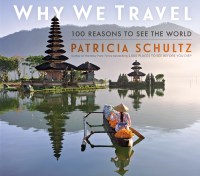
Why We Travel
-
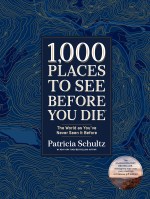
1,000 Places to See Before You Die (Deluxe Edition)
-
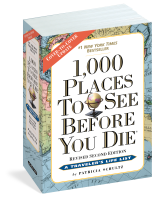
1,000 Places to See Before You Die
-
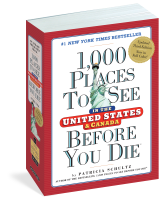
1,000 Places to See in the United States and Canada Before You Die
-
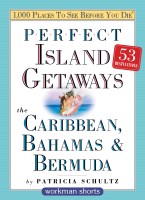
Perfect Island Getaways from 1,000 Places to See Before You Die
Calendars
-
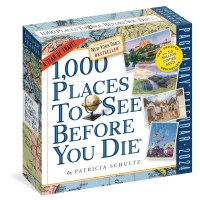
1,000 Places to See Before You Die Page-A-Day Calendar 2024
-
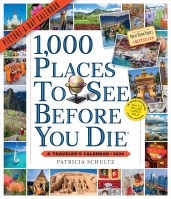
1,000 Places to See Before You Die Picture-A-Day Wall Calendar 2024
Puzzles
-
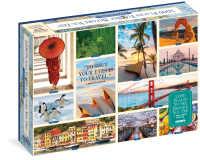
1,000 Places to See Before You Die 1,000-Piece Puzzle
Other 1000…Before You Die Books
-
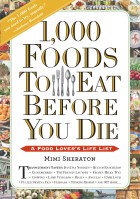
1,000 Foods To Eat Before You Die
-
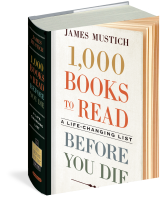
1,000 Books to Read Before You Die
Reviews
Author

Follow 1,000 Places to See Before You Die


Newsletter Signup
By clicking ‘Sign Up,’ I acknowledge that I have read and agree to Hachette Book Group’s Privacy Policy and Terms of Use